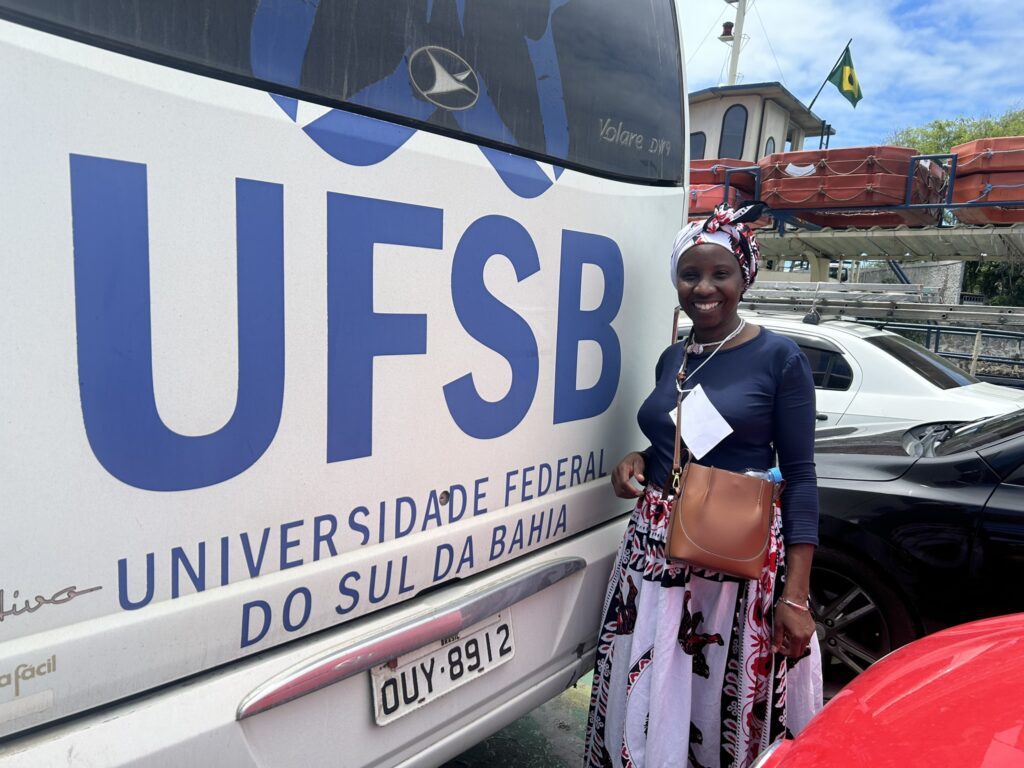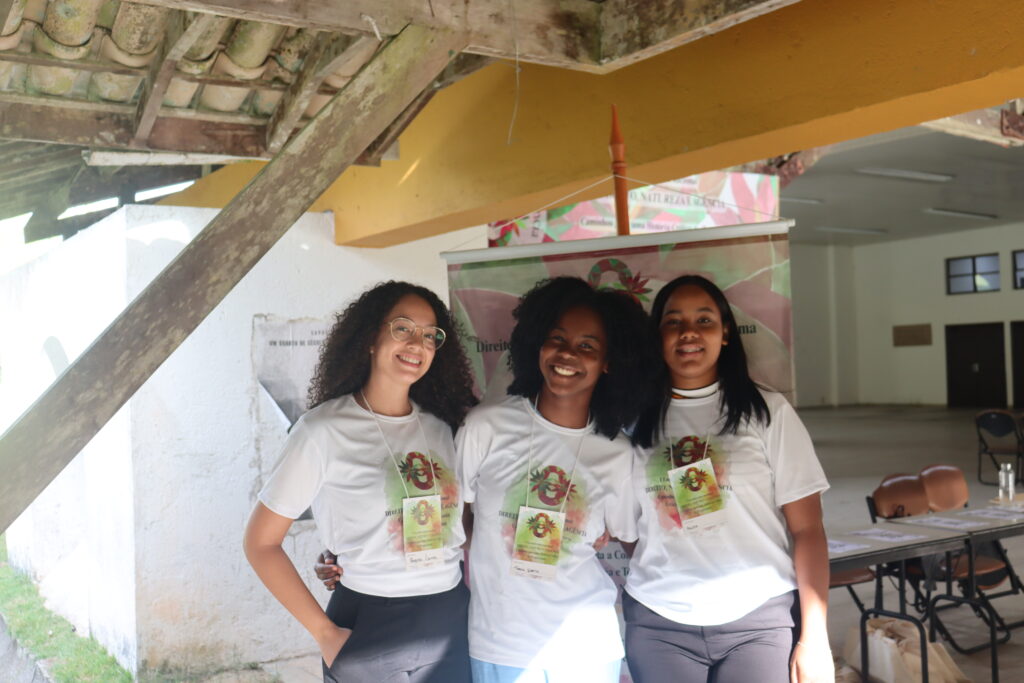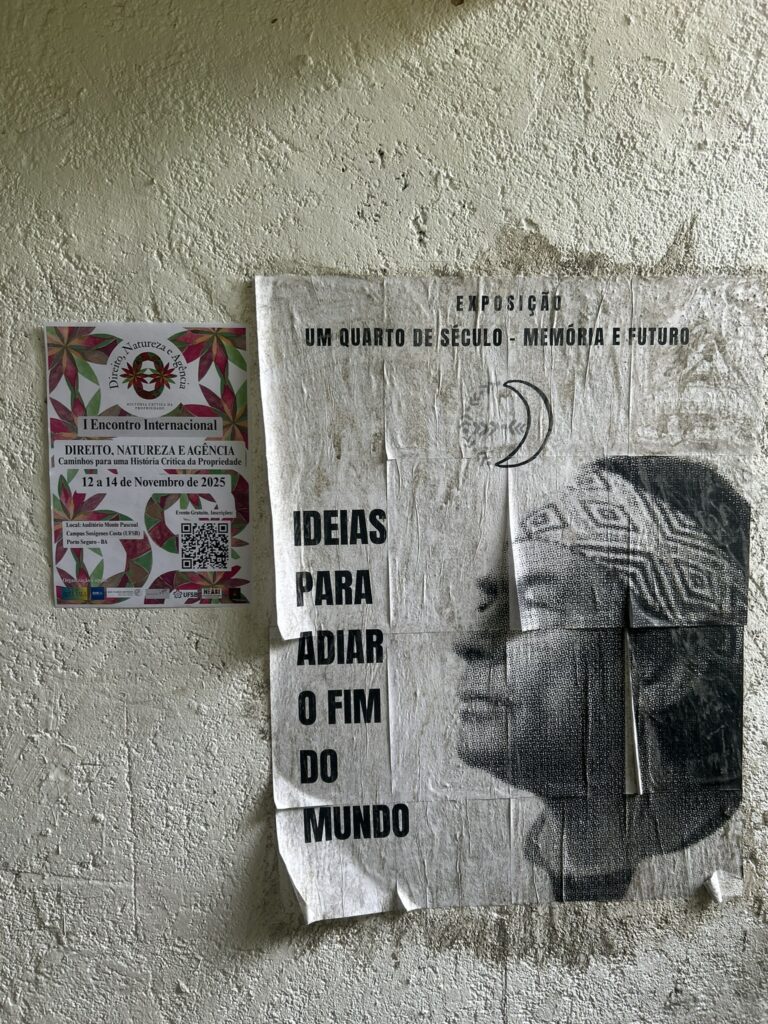
From 11 to 14 November 2025, the Federal University of Southern Bahia (UFSB) hosted the First International Conference on “Law, Nature, and Agency: Pathways towards a Critical History of Property” – programme available here. The event was jointly organised by the ERC-funded IberLAND project at Leibniz University Hannover, the Federal University of Southern Bahia, which hosted the conference, and the Max Planck Institute for Legal History and Legal Theory in Frankfurt.
The conference was conceived and organised by Sarah Limão Papa (IberLAND and Leibniz University Hannover), Karolyne Mendes Mendonça Moreira (Max Planck Institute for Legal History and Legal Theory), and Professor Thais Giselle Diniz Santos (UFSB).
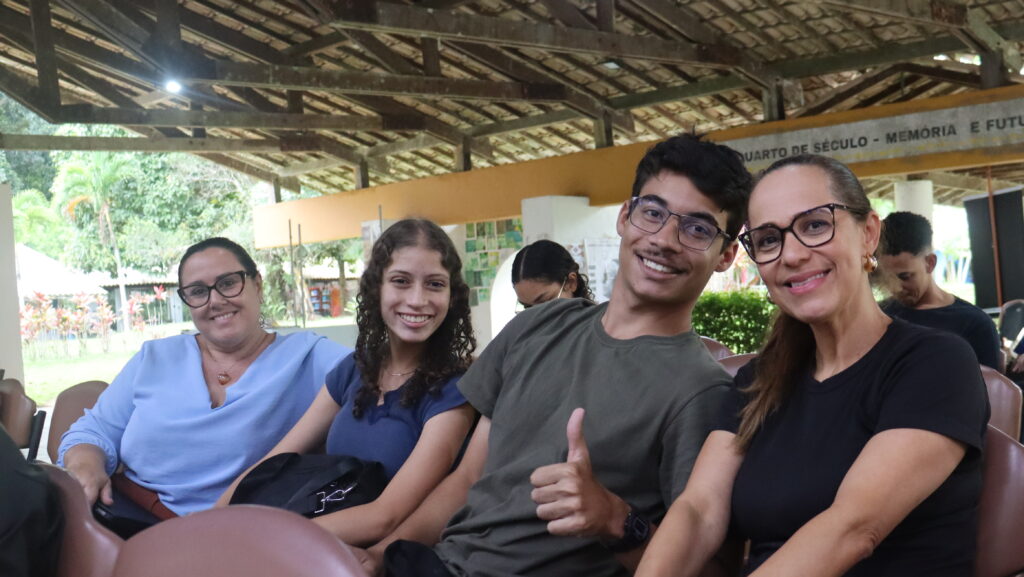
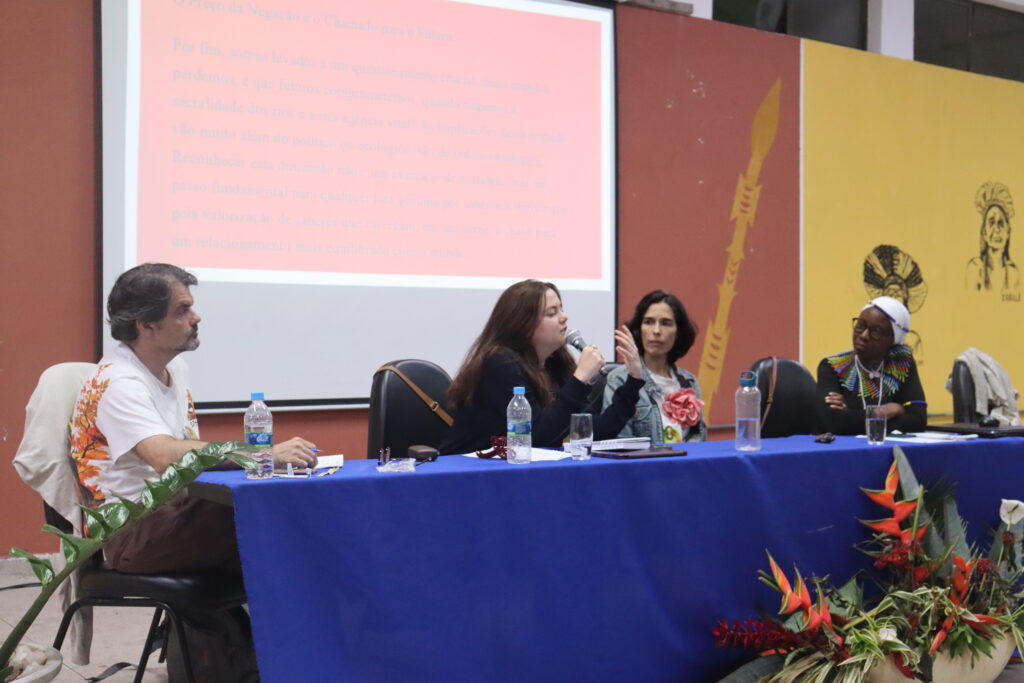
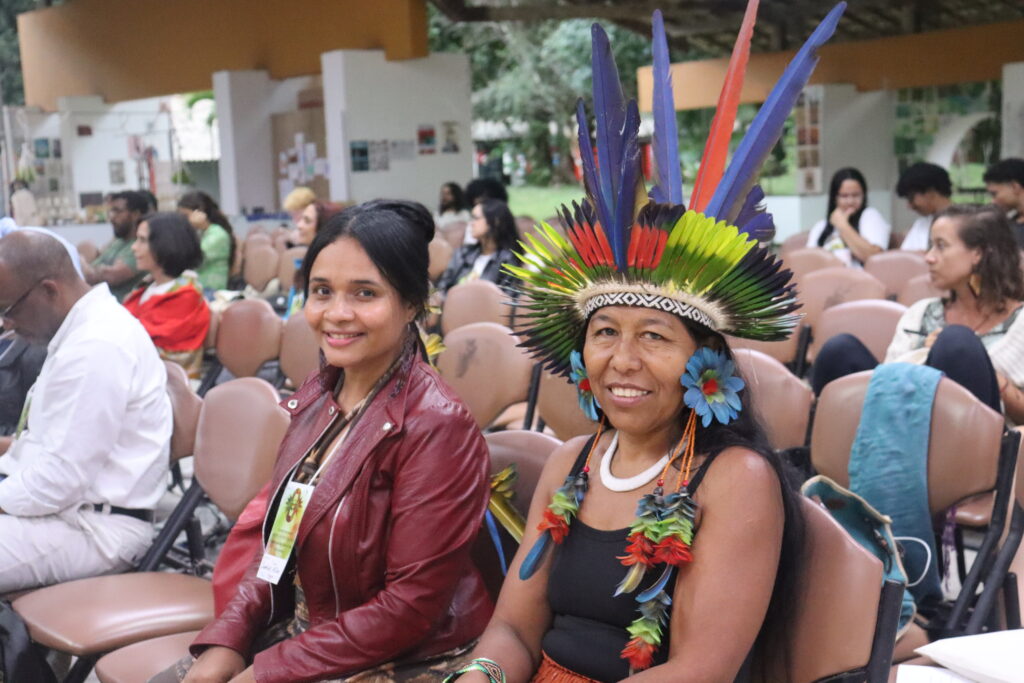
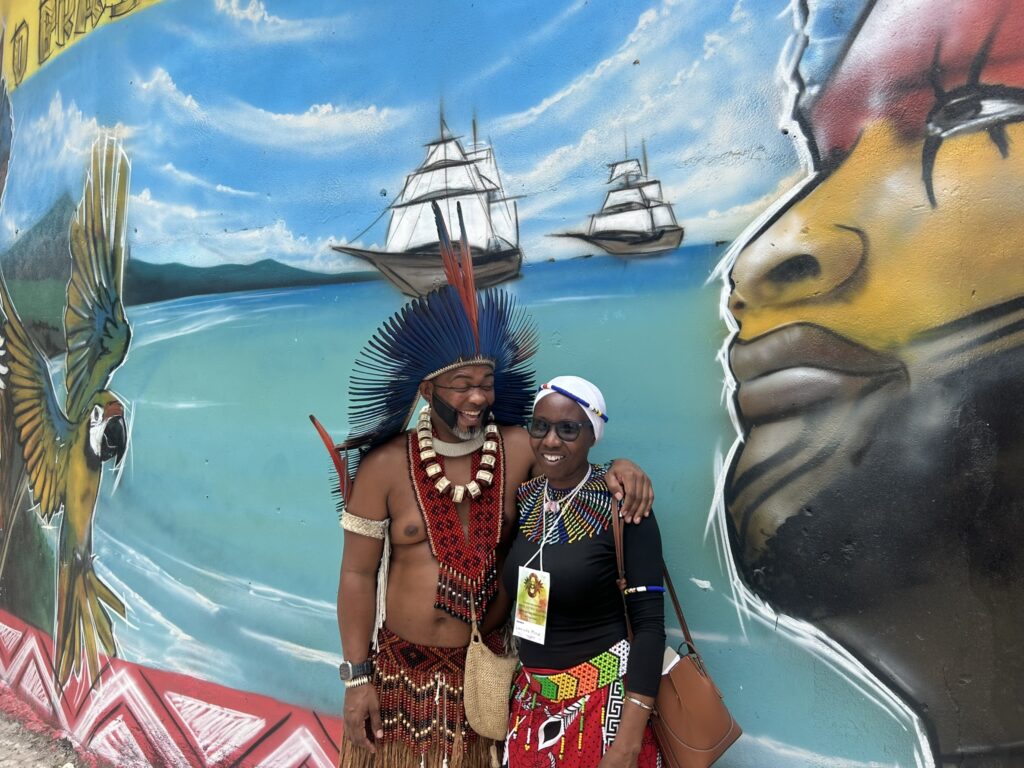
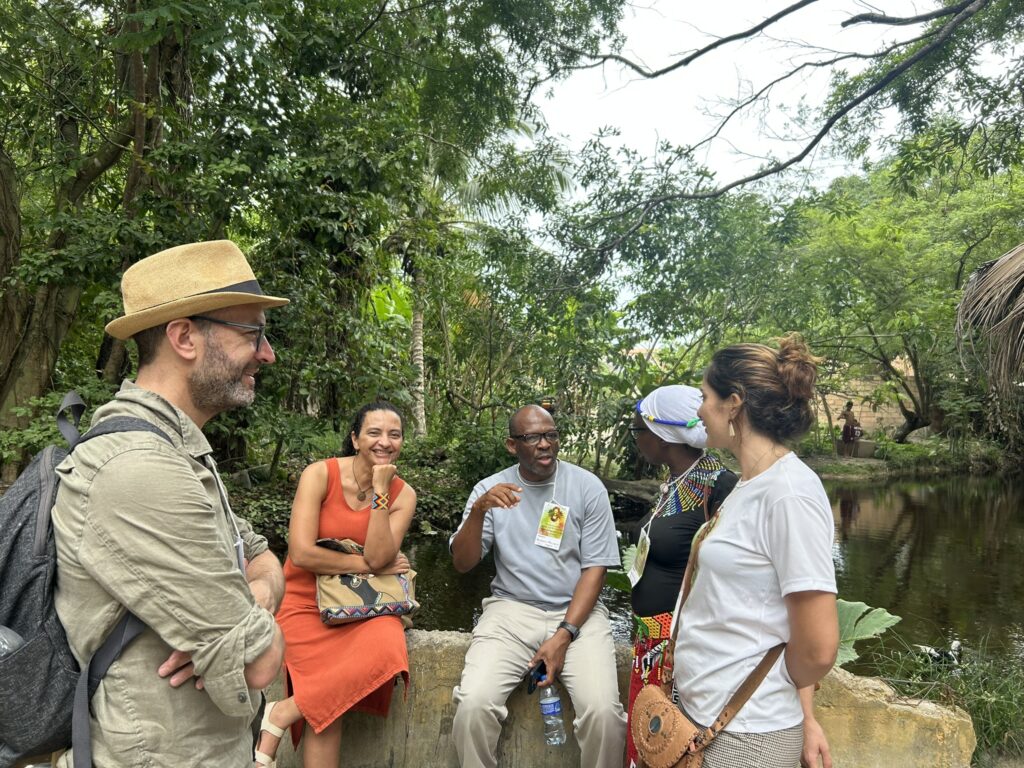
Against the backdrop of climate change, the event addressed a question that has become increasingly important in the social and natural sciences: to what extent are the conceptual frameworks through which we understand the world still adequate for grasping the relationships among human beings, ancestral forms of knowledge, and nature?
The conference focused on property because ownership has historically operated as one of the main normative regimes structuring relationships between human beings and the landscape. Modern property law has largely organised this relationship through a distinction between persons, understood as subjects capable of intention and action, and things, conceived as passive objects of appropriation. By revisiting the historical formation of property, the conference sought to question the apparent universality of this distinction. It also aimed to recover the normative dimensions of forms of common land use shaped by local knowledge. These forms of land use have often been marginalised by the private and individual model of ownership consolidated through the liberal revolutions and subsequent processes of legal codification.
Southern Bahia was chosen as the setting for these reflections because of its remarkable social and environmental diversity. It was one of the earliest areas of Portuguese colonisation and agricultural expansion in America. The region is shaped by the sea, rivers, mangroves, and forests, as well as by centuries of coexistence and conflict involving Indigenous peoples, enslaved and free African populations, European settlers, and mixed communities.
The structure of the conference reversed the conventional logic of academic events, as conceptual discussions followed an initial engagement with representatives of local communities.
The event opened with a screening of the ethnographic documentary Eskawatã Kaiwai, attended by its director, Lara Jacoski. This was followed by the institutional opening panel, with the participation of the Rector of UFSB and representatives of NEABI, the Centre for Afro-Brazilian and Indigenous Studies, the Max Planck Institute, and IberLAND.
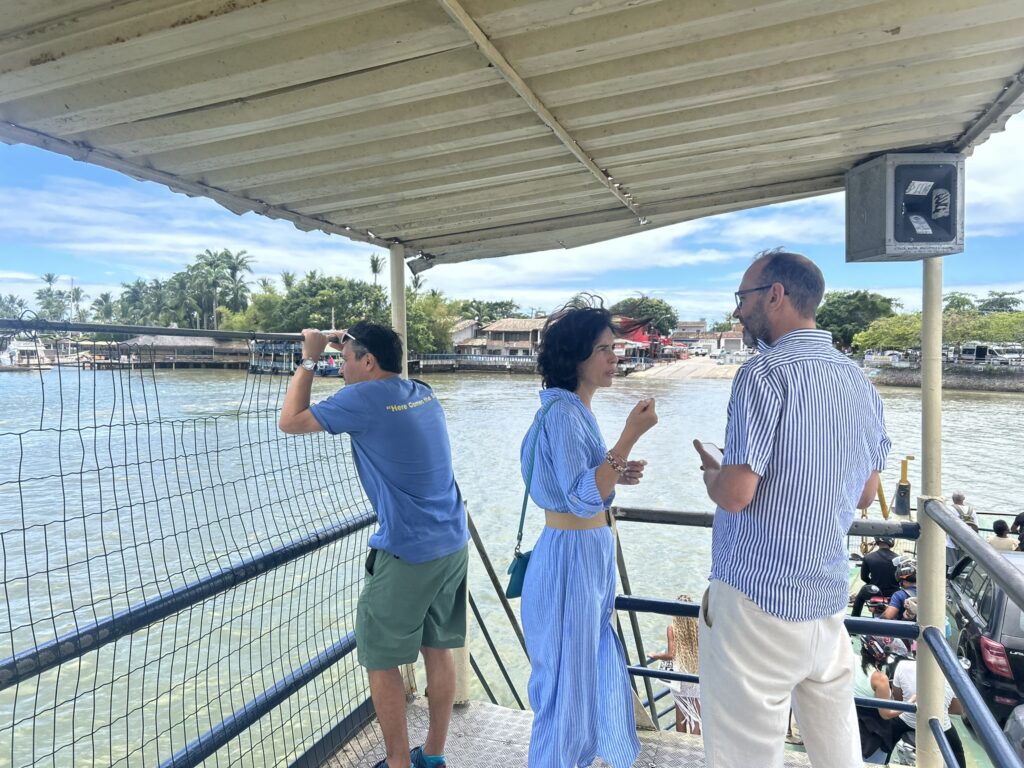
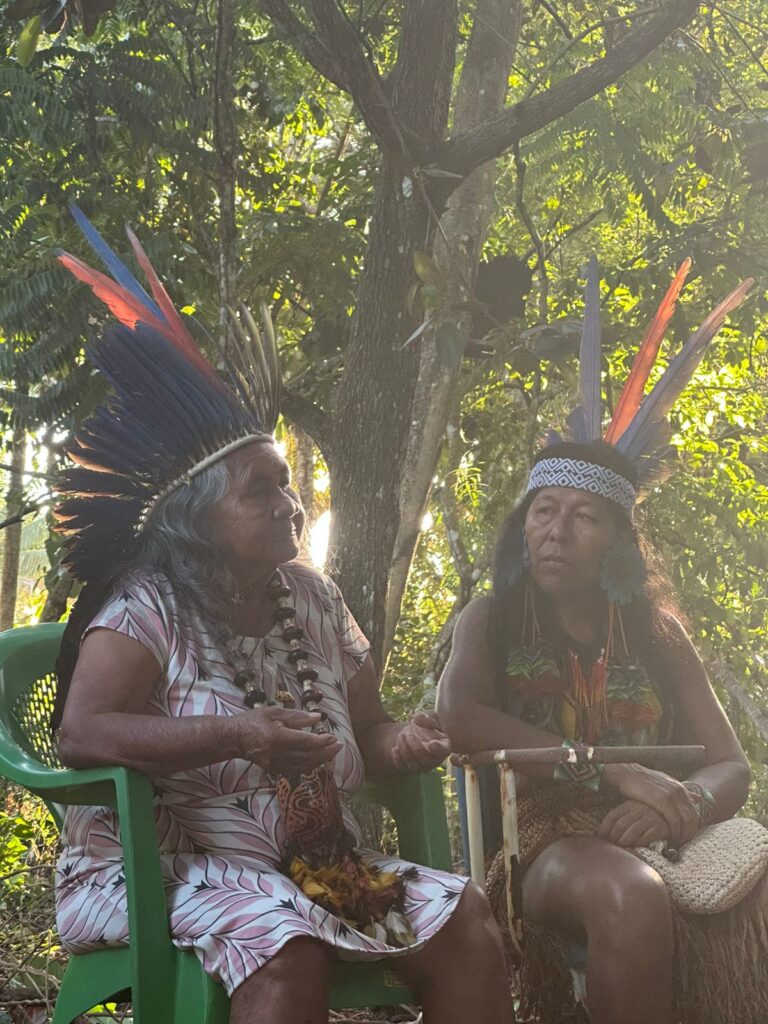
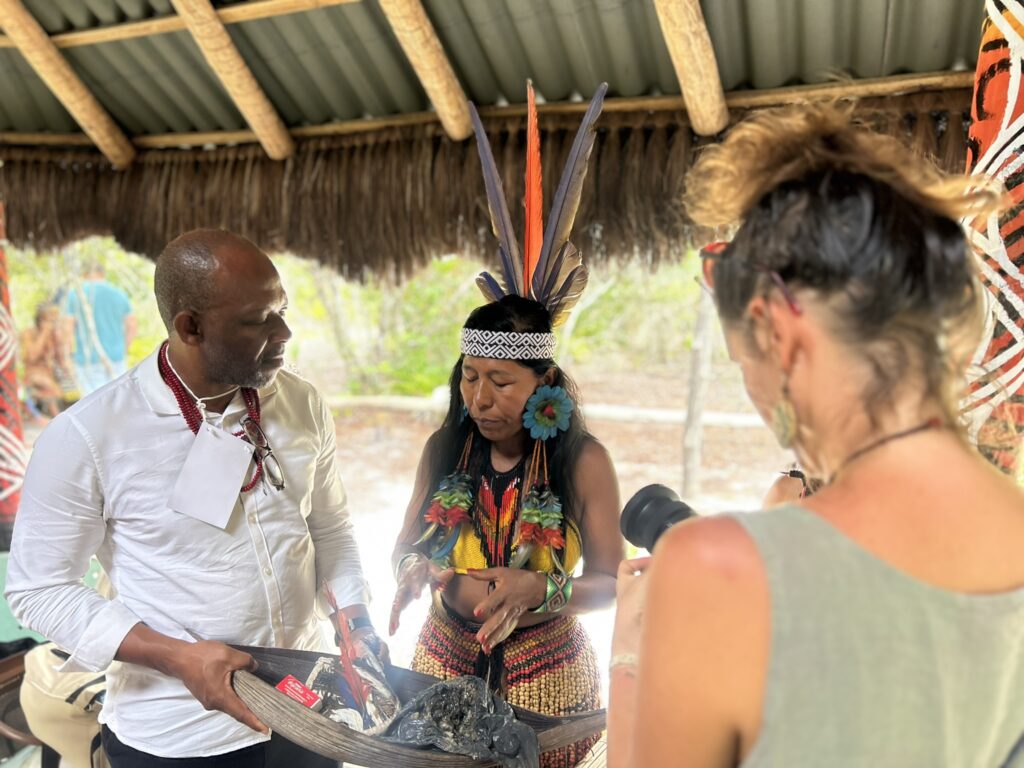
Over the following days, the programme combined field visits to Aldeia Velha, in Arraial d’Ajuda, and to Coroa Vermelha and the Indigenous Museum, in Santa Cruz Cabrália, with three academic panels.
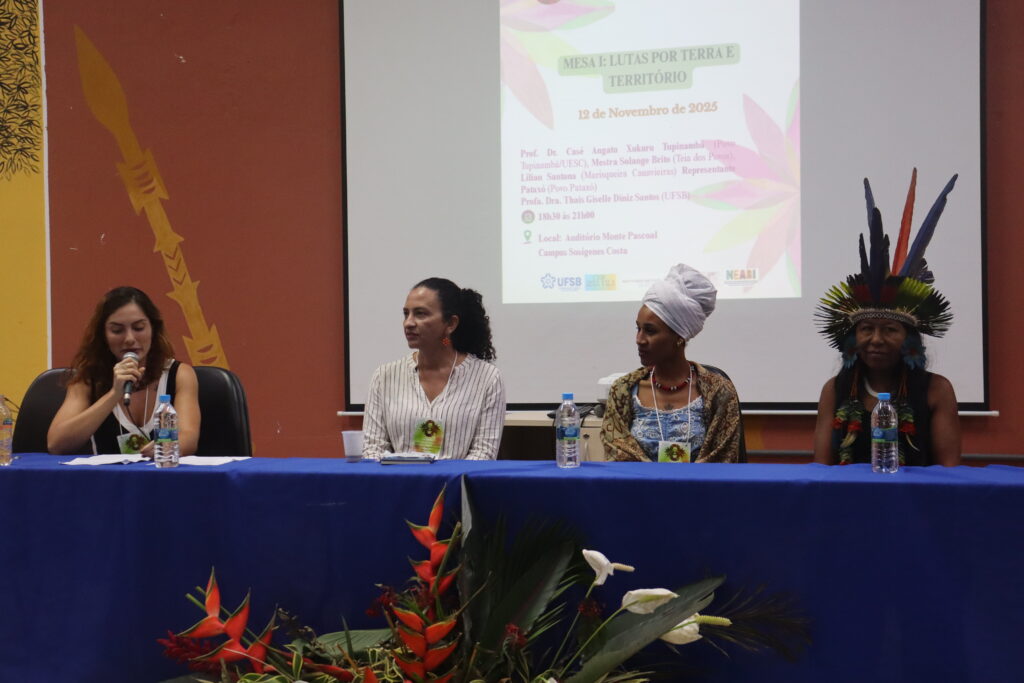
The first panel addressed struggles over land and territory. It was chaired by Professor Thais Giselle Diniz Santos (UFSB) and brought together Professor Casé Angatu Xukuru Tupinambá (State University of Santa Cruz), Solange Brito Santos (Teia dos Povos), and Chief Erilsa Pataxó (Pataxó People).
The second panel examined the agency of water in shaping normative spaces. It was chaired by Sarah Limão Papa (IberLAND, European Research Council and Leibniz University Hannover) and featured Professor Joana Gaspar Freitas and Professor Ignácio García Pereda (University of Lisbon, ERC project Dunes: Sea, Sand, People), as well as Laurinda Mitte (Eduardo Mondlane University and the Association of Traditional Medical Practitioners of Mozambique).
The third panel focused on non-human agencies and normativities. It was chaired by Karolyne Mendes Mendonça Moreira (Max Planck Institute for Legal History and Legal Theory) and brought together Professor Rodrigo Míguez Núñez (University of Eastern Piedmont, Speak4Nature project), Professor Neil Safier (Brown University), Professor Samuel Rodrigues Barbosa (University of São Paulo), and Benjamin Macuacua (Eduardo Mondlane University and the Association of Traditional Medical Practitioners of Mozambique).
The conference concluded with a final discussion in Aldeia Velha. Holding the closing debate there reinforced the principle that had guided the entire programme: the recognition of different peoples and communities as active participants in the production of knowledge. It also reaffirmed a commitment to research that extends beyond the university, incorporates traditional forms of knowledge, and sustains a critical perspective on law and property.